At some point, almost every foreigner living in Spain gets asked the same question by someone back home: but why Spain, though? Usually it comes with a slightly worried tone, as if the person asking suspects you've fallen for the sangria-and-siesta version of the country sold in travel brochures. It's a fair question. It deserves a better answer than "the weather's nice."
The honest answer starts somewhere unglamorous: on foot.
Everything is close, and it is no accident
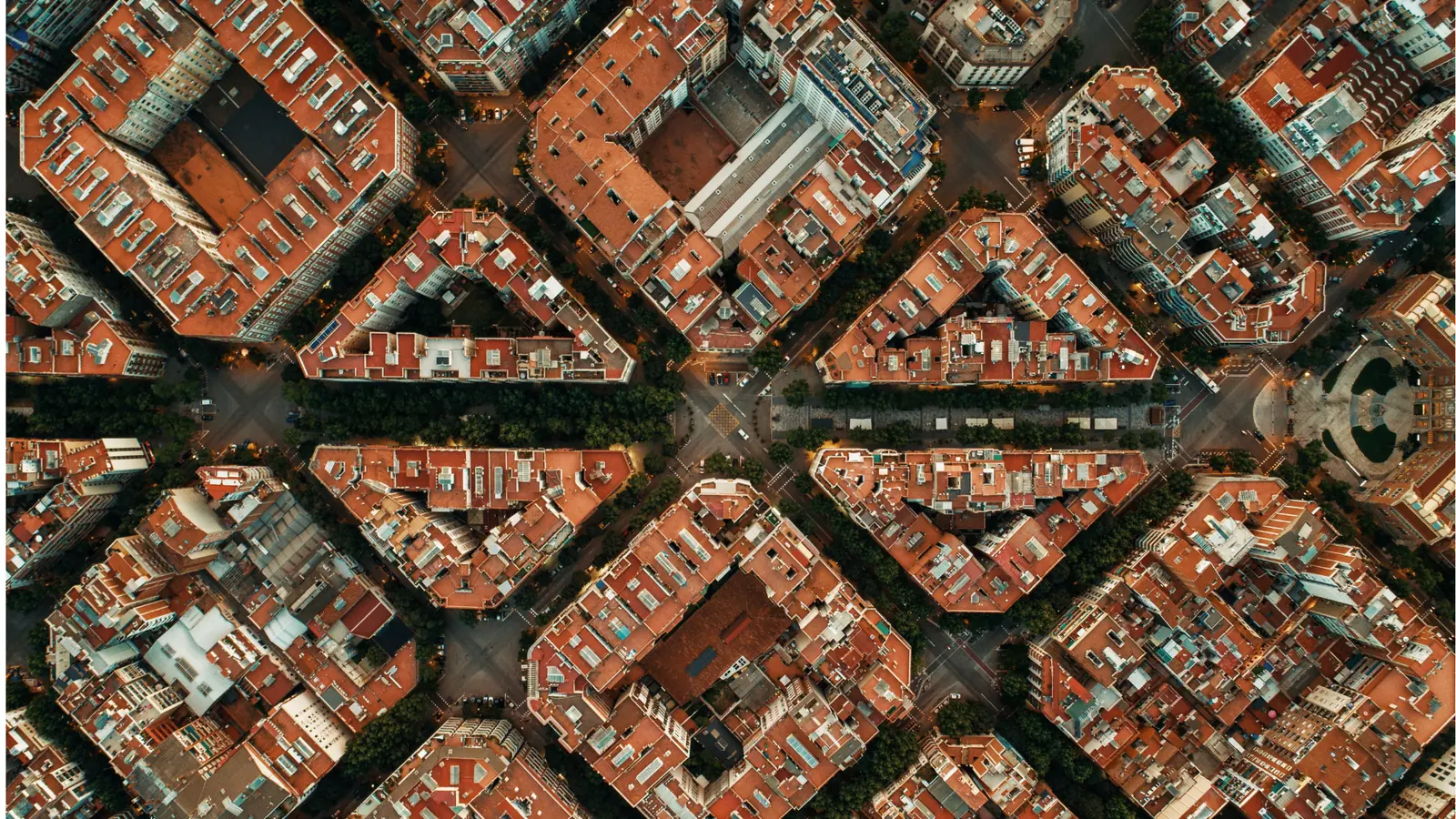
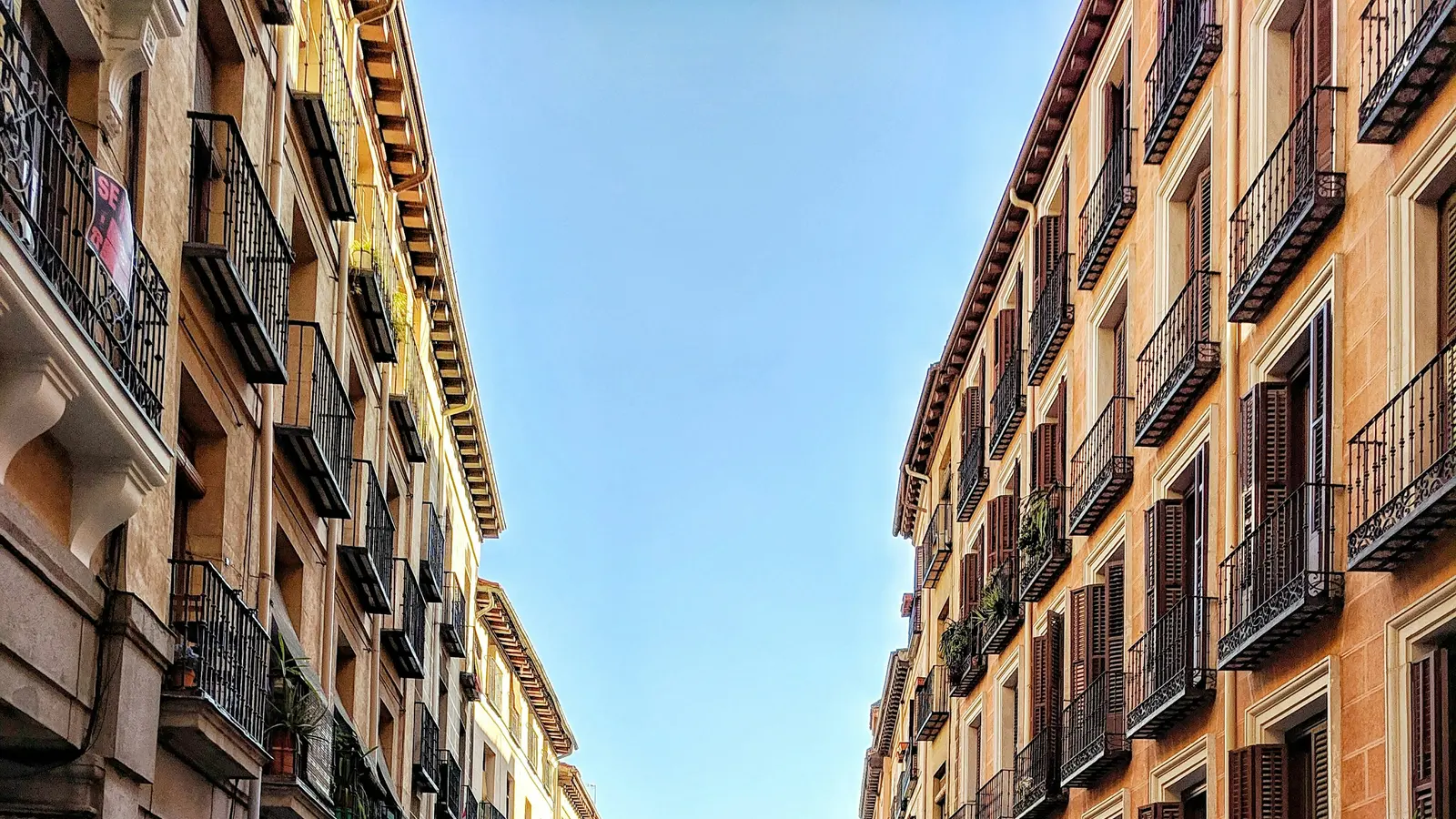
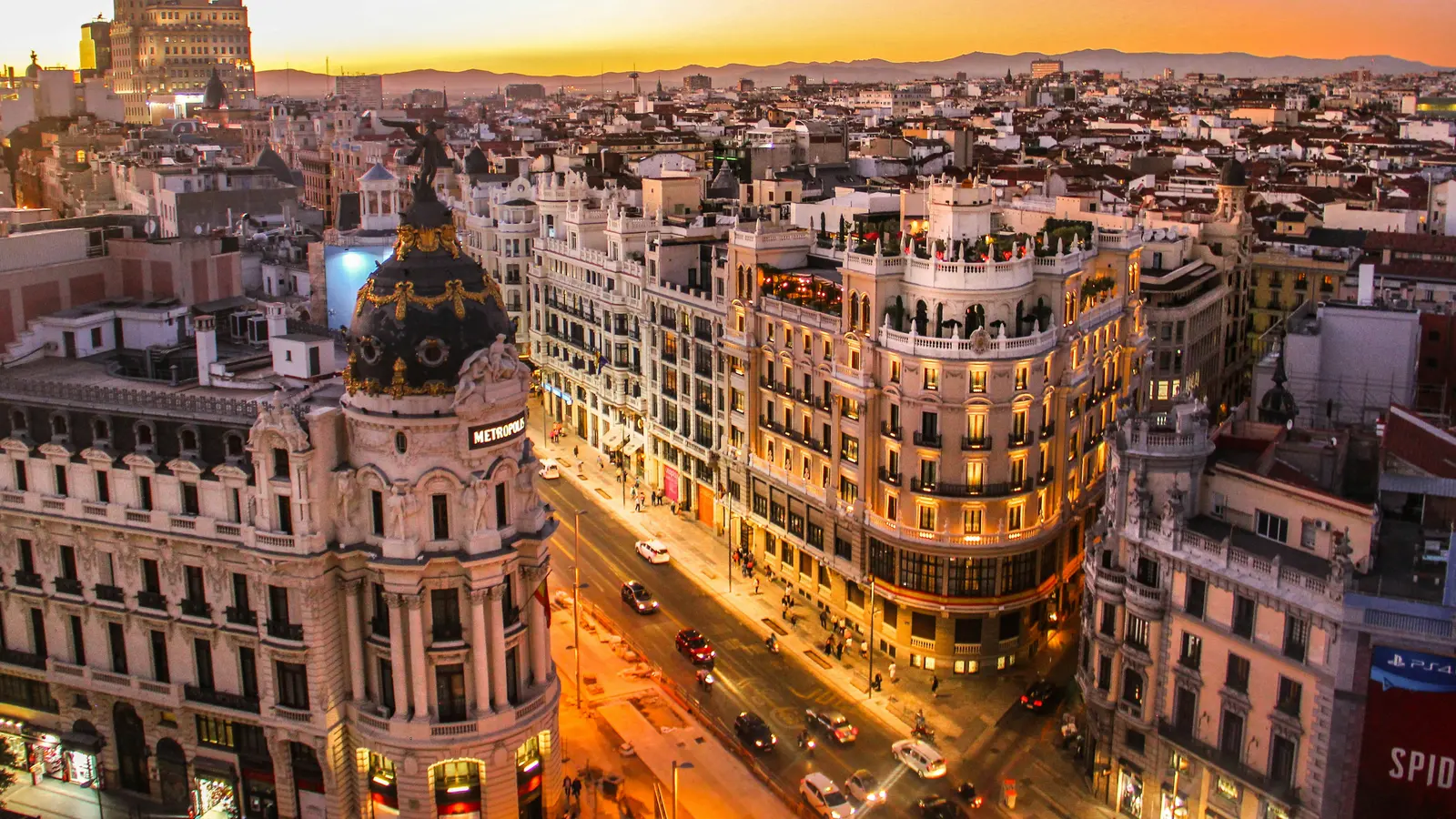
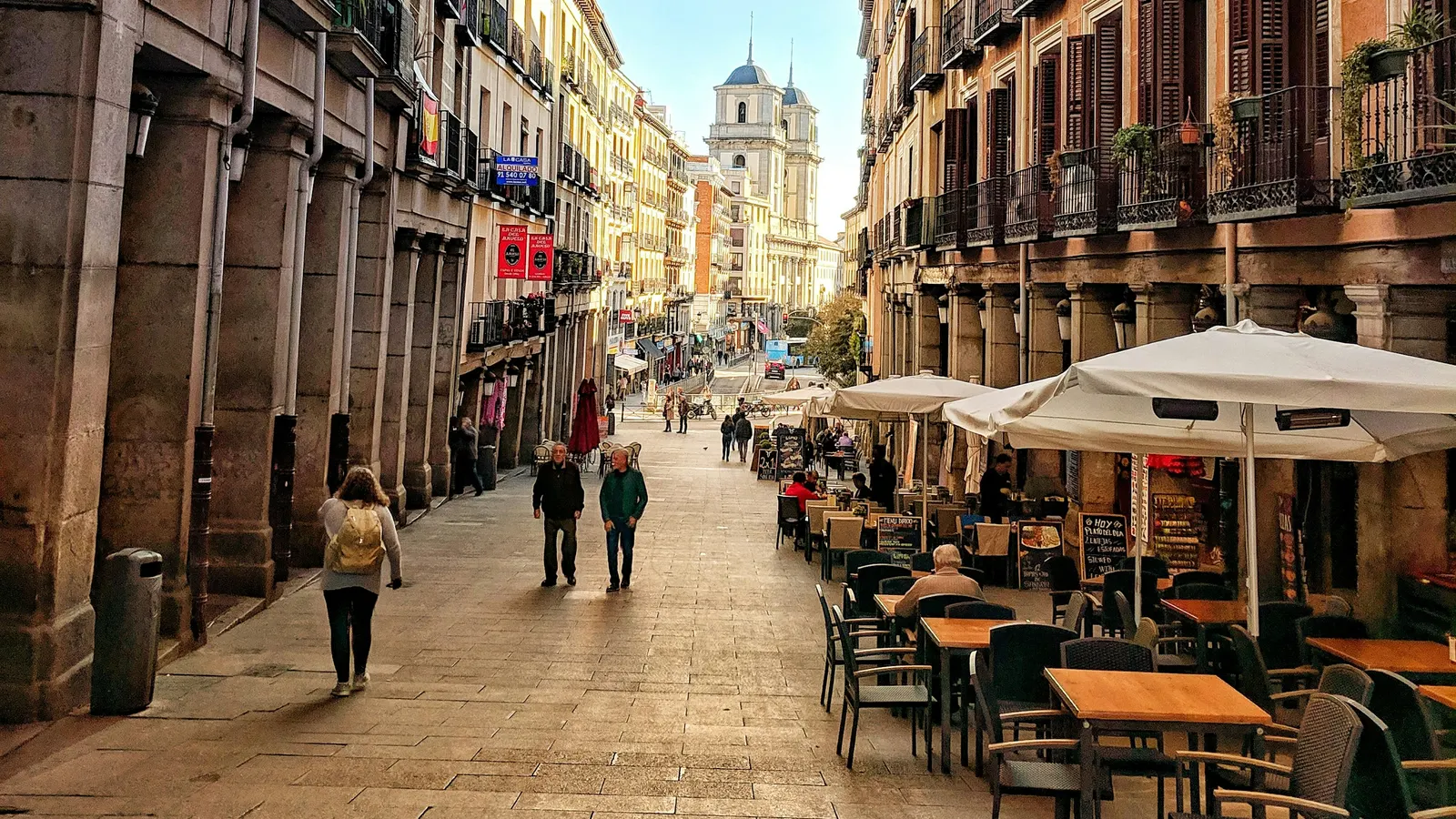
Spend a week in Madrid, Valencia or Málaga without a car and you notice something that's hard to put into words until you've felt its absence somewhere else — everything you need is close, and getting to it doesn't require planning. Bread, coffee, a pharmacy, a park, a bar with three regulars arguing about football, your building's portero who knows your name within a week. None of this is an accident of charm. It's the result of decisions, and non-decisions, made over a century.
There's a genuinely fascinating explanation buried in urban history for why Spanish cities feel this way. Unlike much of Northern Europe and the United States, Spain industrialized its cities before it motorized them. Car ownership in Spain in the 1930s was a small fraction of what it was in the US or France at the time, and the country's public transport networks — trams, then metros — never sprawled far enough to drag housing out with them into car-dependent suburbs. So Spanish cities kept building the way they'd always built: dense, mixed-use, walkable by default rather than by design. By the time the rest of the world rediscovered "walkability" as a planning virtue somewhere around the 2000s, Spain had never lost it. It didn't have to retrofit anything. It just kept doing what it was already doing.
That's not nostalgia, it's infrastructure. And it shows up in daily life in very concrete ways: you can raise kids without a second car, run errands in twenty minutes instead of forty-five, and end a Tuesday with a beer on a terrace instead of alone in a driveway. People who move to Spain from Chicago, London or Sydney often describe the same specific relief — not that Spain is "nicer," but that it's lighter. Less friction per day. Fewer decisions required just to live a normal life.
The economy stopped being the bad news
None of this would matter much if the rest of the picture didn't hold up, and increasingly it does. Spain has spent the last couple of years quietly outperforming a lot of its neighbors economically — GDP growth north of 3% while much of the eurozone struggled to clear 1%, a stock market that had one of its strongest years in the region, and a tourism sector that the World Economic Forum now ranks among the top two globally for competitiveness. The Economist's own country-performance rankings put Spain near the top of the pack in 2024, which is the kind of thing that raises eyebrows precisely because it wasn't the story a decade ago, when "Spain" and "economic anxiety" were used in the same sentence more often than not.
Health and quality of life, in numbers
Surveys of expats tend to back up the lived experience with numbers: Spain regularly tops global quality-of-life rankings among relocation surveys, third in the world for life expectancy according to the OECD, and near-universal access to a healthcare system that costs a fraction of its American or British private equivalents once you're properly registered. These aren't marginal statistics. They're the kind of thing that, taken together, starts to look less like a lifestyle choice and more like a rational one.
From the risky option to the sensible one
That's the part that tends to get lost when people frame the decision as "adventure versus stability." For a lot of people weighing a move right now — Americans in particular, watching political volatility and healthcare costs climb at home; Brits recalculating their options after Brexit closed a few doors; remote workers realizing their salary buys a fundamentally different life in Valencia than it does in San Francisco — Spain isn't the adventurous option. It's increasingly the boring, sensible one. Stable currency, EU membership, a functioning public health system, a legal framework that, once you understand it, is far more predictable than it looks from outside.
And if you are coming to invest
And that logic doesn't stop at people looking for somewhere to live. Investors have been asking a similar question about property, and for similar reasons: strong tourism demand, a market that recovered steadily rather than speculatively, and cities like Valencia and Málaga that are still, relative to comparable European capitals, underpriced for what they offer. It's worth being direct here that the residency-by-investment route that used to anchor a lot of that conversation — Spain's so-called Golden Visa — was discontinued in April 2025, so anyone still planning around it is working from outdated information. That doesn't remove the appeal of Spanish property; it just means the reasons to buy now have to be actual reasons — yield, lifestyle, long-term value — rather than a visa shortcut.
The postcard is true too
None of this is to say the postcard version is entirely a myth. The food is genuinely very good. The light in October really is different. But the more durable case for Spain isn't the version you photograph, it's the version you live inside of on an ordinary Wednesday — one where the plaza is ten minutes away, the doctor's appointment doesn't bankrupt you, and the country's economic trajectory is, for once, working in your favor rather than against it.
What the postcard leaves out: the paperwork
The part nobody puts on a postcard is what comes next: appointments, paperwork, an NIE number, a rental contract in a language you're still learning. That's a separate article — and a considerably less romantic one — but it's the part that actually determines whether the version of Spain you fell for on paper becomes the one you're living in a year from now.